Wednesday, February 27, 2008

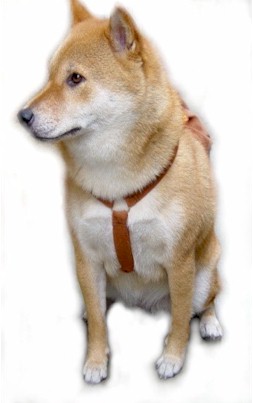
Shiba Dog


Pookie's photos and her story

This is my baby dog Pookie's Photos and her story. I would like to share with you.

She was 8 months old when she joined our family four years ago. She was a surprise christmas present for me from my husband. She has grown up since and she became an important part of our lives and we love her as much as our grandchildren if not, more.

Her smartness often amazes us particularly understanding of words. For examples, she doesn't eat her own food so, once in a while I promise to give her favorit treat if she eats some of her own food first. Sure enough, she eats a few bites of her own food in the bowl and she comes back to me every time and looks at me until I give her the food I promised.

One of her favorit thing to do is riding in the car or walking in the park. Everytime we, my husband and I, talk about going, walking, store, or bank she always be ready to go and waits for us in front of the car door. In order to avoid telling her she cannot go, we start to spelling out the words instead of speaking words to each other hoping that she wouldn't understand us.

We love her so much we couldn't take our full scheduled vacation without her.
Even though, there were times that we thought about giving her up when she chewed up 4 pairs of shoes and 2 pairs of boots and torn apart 4 of her own beds. Now, her behavior has been completely changed and her maturity has been noticeable in her play with our grandchildren.

She is our baby and she is our special dog.

Tuesday, October 24, 2006

What is Canine's Distemper?

What Does Distemper Do?

Canine distemper is a highly contagious disease caused by a virus.

Canine distemper virus is most often transmitted through contact with respiratory secretions. Contact with the urine and fecal material of infected dogs can also result in infection.

The many signs of distemper are not always typical. For this reason, treatment may be delayed or neglected. The disease frequently brings about something like a severe cold. Most infected dogs have a fever and "stuffed up" head. Exposed animals may develop bronchitis, pneumonia and severe inflammation of the stomach and intestines.

The first signs of distemper an owner might notice are squinting, congestion of the eyes, and a discharge of pus from the eyes. Weight loss, coughing, vomiting, nasal discharge, and diarrhea are common. In later stages the virus frequently attacks the nervous system, bringing about partial or complete paralysis as well as "fits" or twitching. Dogs suffering from the disease are usually listless and have poor appetites.

Sometimes the signs may be very mild and perhaps go unrecognized, or the dog may have a slight fever for a couple of weeks. If pneumonia, intestinal inflammation or other problems develop, recovery takes much longer. Nervous problems often last many weeks after the animal has recovered from all other signs of infection. Occasionally the virus causes rapid growth of the tough keratin cells on the footpad, resulting in a hardened pad.

Distemper is so prevalent and the signs so varied that any sick young dog should be taken to a veterinarian for a definite diagnosis.

Source: www.avma.org

Wednesday, October 11, 2006

What you should know about Canine's Parvovirus?

What are some signs of Parvovirus infection?
Canine parvovirus is a highly contagious and serious disease
caused by a virus that attacks the gastrointestinal tract of puppies,
dogs, and wild canids. It was first identified in 1978 and is seen
worldwide. It also can damage the heart muscle in very young
and unborn puppies.

How is Parvovirus spread?
Puppies and dogs usually become infected when they ingest
virus that is passed in the feces (stool) of an infected dog. Canine
parvovirus is resistant to changes in environmental conditions
and can survive for long periods of time. Trace amounts of feces
containing parvovirus may serve as reservoirs of infection and
the virus is readily transmitted from place to place on the hair
or feet of dogs or via contaminated cages, shoes, or other objects.

What dogs are at risk?
All dogs are at risk, but puppies less than four months old and dogs that have
not been vaccinated against canine parvovirus are at increased risk of
acquiring the disease. Certain breeds (e.g. Rottweiler and Doberman
Pinscher) appear to have a high risk of experiencing severe disease.


What are some signs of Parvovirus infection?

Canine parvovirus causes lethargy; loss of appetite; fever;
vomiting; and severe, often bloody, diarrhea. Vomiting and diarrhea
can cause rapid dehydration, and most deaths from parvovirus
occur within 48 to 72 hours following onset of clinical signs. If
your puppy or dog shows any of these signs, you should contact
your veterinarian promptly.

How is Parvovirus diagnosed and treated?
Canine parvovirus is a highly contagious and serious disease
caused by a virus that attacks the gastrointestinal tract of puppies,
dogs, and wild canids. It was first identified in 1978 and is seen
worldwide. It also can damage the heart muscle in very young
and unborn puppies.

Puppies and dogs usually become infected when they ingest
virus that is passed in the feces (stool) of an infected dog. Canine
parvovirus is resistant to changes in environmental conditions
and can survive for long periods of time. Trace amounts of feces
containing parvovirus may serve as reservoirs of infection and
the virus is readily transmitted from place to place on the hair
or feet of dogs or via contaminated cages, shoes, or other objects.


How is Parvovirus prevented?
Vaccination— Vaccination is important. Young puppies are very
susceptible to infection, particularly because the natural immunity
provided in their mothers’ milk may wear off before the puppies’
own immune systems are mature enough to fight off infection. If
a puppy is exposed to canine parvovirus during this gap in protection,
it may become ill. An additional concern is that immunity provided
by a mother’s milk may interfere with an effective response to
vaccination. This means even vaccinated puppies may occasionally
succumb to parvovirus. To narrow gaps in protection and provide
optimal protection against parvovirus during the first few months
of life, a series of puppy vaccinations are administered.

To protect their adult dogs, pet owners should be sure that their
dog’s parvovirus vaccination is up-to-date. Ask your veterinarian
about a recommended vaccination program for your canine
companion.

In spite of proper vaccination, a small percentage of dogs do not
develop protective immunity and remain susceptible to infection.
Hygiene— Until a puppy has received its complete series of
vaccinations, pet owners should use caution when bringing their
pet to places where young puppies congregate (e.g. pet shops,
parks, puppy classes, obedience classes, doggy daycare, and
grooming establishments). Reputable establishments and training
programs reduce exposure risk by requiring vaccinations, health
examinations, good hygiene, and isolation of ill puppies and dogs.
Contact with known infected dogs and their premises should
always be avoided.

Finally, do not allow your puppy or dog to come into contact
with the fecal waste of other dogs while walking or playing
outdoors. Prompt and proper disposal of waste material is always
advisable as a way to limit spread of canine parvovirus infection.

Source: www.avma.org

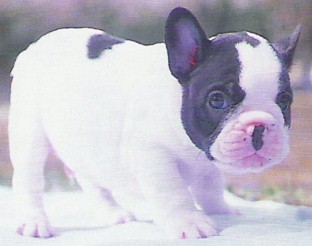
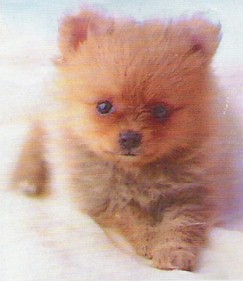
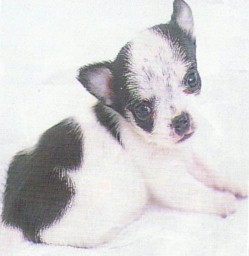
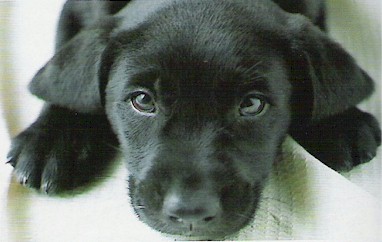
PART 2 - Loveable Pooches - Look at These Faces!


Wednesday, August 02, 2006

How to Choose a Veterinarian For Your Pet?

What you should know about choosing a veterinarian for your pet
June 2004

Today's pets are living longer, healthier lives thanks to the availability of high quality medical services and pet-owners' careful monitoring of their animals for early signs of illness. With so much attention being given by owners to their pets' daily needs, doesn't it make sense to take some time in selecting the veterinarian who will become that pet's health care provider?

When choosing your family's veterinarian, use the same care and criteria that you would in selecting a physician or dentist. Think about what is important to you. Location? Convenient hours? Range of medical services? Friendliness and commitment of doctors and staff? Payment options? Your goal should be to find the veterinarian who you believe can best meet your pet's medical needs and with whom you feel comfortable in establishing a long-term relationship.

The veterinarian you select will want to maintain an ongoing history of your pet, including health records that detail immunizations, reactions to medications, surgical procedures, behavior traits, etc. He or she will also advise you on the best preventative care program available to maintain your pet's health.

Where to Look for a Veterinarian

Ask a Friend
Animal-owning friends are generally a good source of information. Ask them why they chose their veterinarian. If you believe their expectations of service are similar to yours, you may want to schedule a visit to the facility.

Breed Clubs
If you have a purebred dog or cat, area breed clubs can be a good source of information. They have often established a strong relationship with a practice that is very familiar with the potential health-related problems for your particular breed.

Local Directories/Internet
Turn to the business pages of a phone book or yellow pages for contact information on local veterinarians. Also check the Internet for listings of veterinary association Web sites - many state or local veterinary medical associations maintain lists of area practices.

Your Current Veterinarian
If you are relocating to another city or state, ask your current veterinarian if he or she can recommend a practice where you will be living. Many times they have colleagues in other towns whose practice policies and services are similar to theirs. Your current veterinarian should also give you copies of your pet's medical records to take to the new practice to ensure your pet's medical history is available to the new staff.

When to Look for a Veterinarian

It is a good idea to start thinking about selecting a veterinarian before acquiring a new pet. In fact, a veterinarian can assist you in selecting a pet that complements your personality, work schedule, and home life.

If you have recently moved to a new area, locate a veterinarian before your pet actually needs one. Don't wait until your pet becomes ill or requires emergency care. It is best to have secured a doctor's name and number and become acquainted with the practice and staff in advance of such situations. Consider scheduling an initial visit soon after arriving at your new home. Your veterinarian will suggest ways to help your pet become accustomed to its unfamiliar environment.

Pay a Visit

When deciding on a veterinary practice, first schedule a visit with the veterinarian to discuss your pet and ask questions about fees and services. You may want to visit several practices before making a final selection.

Tips to Keep in Mind When Visiting a Veterinary Practice

Office Hours

  • What are the regular hours?
  • Are they compatible with your schedule?
  • Will they accept e-mails or appointments electronically?
  • Who covers the practice when the doctor is unavailable?
  • What is the average wait time for making a non-emergency appointment?

Professional Staff

  • How are telephone calls handled?
  • Can you request an appointment with a specific veterinarian?
  • Does the staff dress and act professionally?
  • Do you feel comfortable talking with the doctor? The technician?

Fees and Payment

  • What methods of payment are accepted?
  • Does the hospital treat patients of clients that have pet insurance?

Services

  • What is the range of medical services that the practice provides?
  • Does the hospital have educational materials for pet-owners on a variety of topics?
  • Are there non-medical services such as boarding, grooming, and training classes?
  • If necessary, does the veterinarian have a network of specialists for referrals?

Emergency Care

  • How are emergency calls handled during regular office hours and after office hours?
  • Is there an emergency facility in your area should you need it?

Facility

  • Is the building environment clean and orderly?
  • Are there any unpleasant odors?
  • Can you take a tour of the non-public areas?

Professional Affiliations

  • Are the doctors members of a professional veterinary association such as the American Veterinary Medical Association or a state or local veterinary association?
  • What is the hospital policy regarding continuing education for the professional staff?

Your Responsibility As a Pet Owner

In order for your veterinarian to maintain your pet's good health, it is important for you to schedule regular checkups and practice preventive care at home. At each appointment, be sure to communicate clearly your pet's behavior and habits. Since many signs of illness are subtle, even minor changes in your pet's behavior can give your doctor valuable information on what might become a serious health issue.

Remember that veterinarians care as much about you as an owner as they do about your pets. They are available to give you the information and resources you need to take the best possible care of your animals. By taking the time to select the veterinarian that you feel confident can provide for your needs as an owner and the medical needs of your pet, you will establish a rewarding partnership.

Source: AVMA Website (www.avma.org)

Thursday, July 20, 2006

Shiba Dog Family Tree

My Shiba Baby Dog's Family Circle


"Tensi"
This is my baby dog's birth father. He is a Shiba and is from Japan. He has interesting face and stocky body. He is one of kind pedigrees in Japan.


"Penny"
This is my baby dog's birth mother. She is also a Shiba Inu from Japan and is one of kind pedigrees in Japan. She won many awards from dog shows.

My baby dog Pookie.
She got her mother's look but her body looks more like her father. I am not sure where she got her personality but she is very stubborn and extremely smart. She willl be 3-years old next month. I love her more than anything, anyway.


This is when she was 8-months old.

This picture was taken when she was 2-1/2 years old.


This also was taken when she was 2-years old.

This was taken when she was 2-1/2 years old.

Dog, Cat, Pet Blog

Dog, Cat, Pet Blog
Pooch Pictures

Perfect Pet Gift

Let' Play-Pet Toys 50% Off